Environment
- Ukraine
Environmental protection
Ecosystem
Leachate
Climate change
Carbon footprint
Landfill
Methane
Renewable energy
Deep Scan Tech helps landfills protect the environment with a demonstration project in Ukraine
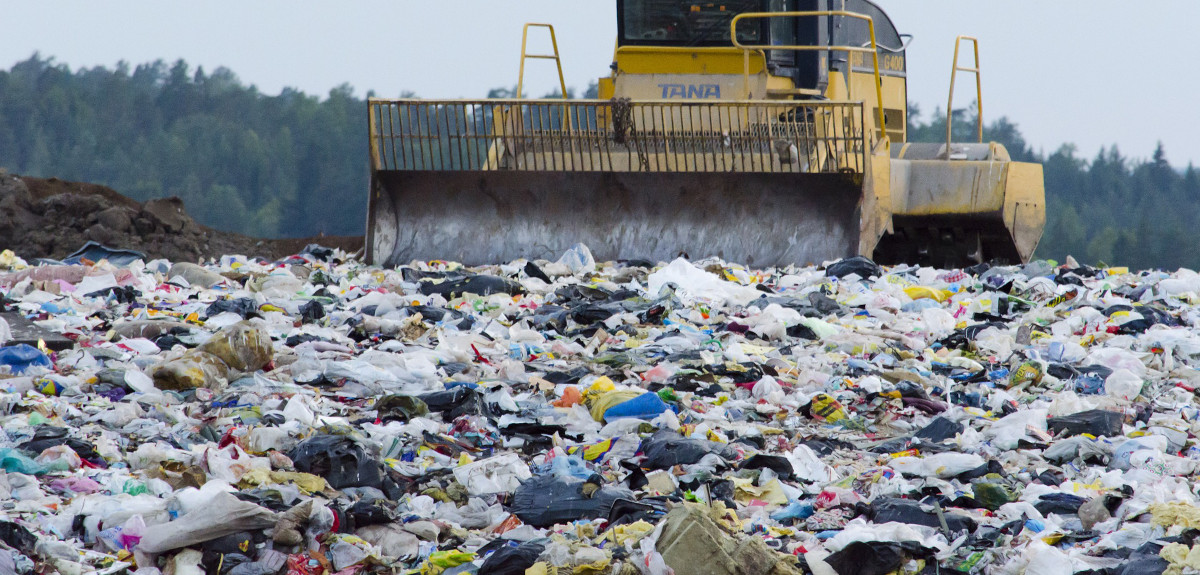
Deep Scan Tech has conducted deep 3D scans of a pilot landfill in Ukraine in 2021 to produce an understanding of the hydrological state of the site. This will help develop a deeper understanding of the behaviour of water in the landfill and its immediate surroundings and thus protect the environment.
In particular knowledge was gathered regarding humidity conditions and leachate production and propagation inside the landfill. This will support and increase the efficiency of measures taken to control leaching and protect the nearby environment as well as ground water and surface water in the area. If leachate, a liquid produced by landfill sites, is not controlled, contaminating local water sources is a risk that could endanger ecosystems and the health of nearby inhabitants. Often leachate contains high levels of ammonia which, when entering the environment, reacts to produce nitrates. These nitrates can cause eutrophication or oxygen starvation due to increased plant life in nearby water sources. In worst cases, eutrophication creates dead zones where animals cannot survive due to a lack of oxygen.
“Being able to see 3D scans of hidden leachate movements is very valuable information to landfill operators and environmental regulators.”
Currently large landfills face the problem of locating leachate leaks to the environment, which are often only observed when the harm is already done. Being able to see 3D scans of hidden leachate movements is therefore very valuable information to landfill operators and environmental regulators.
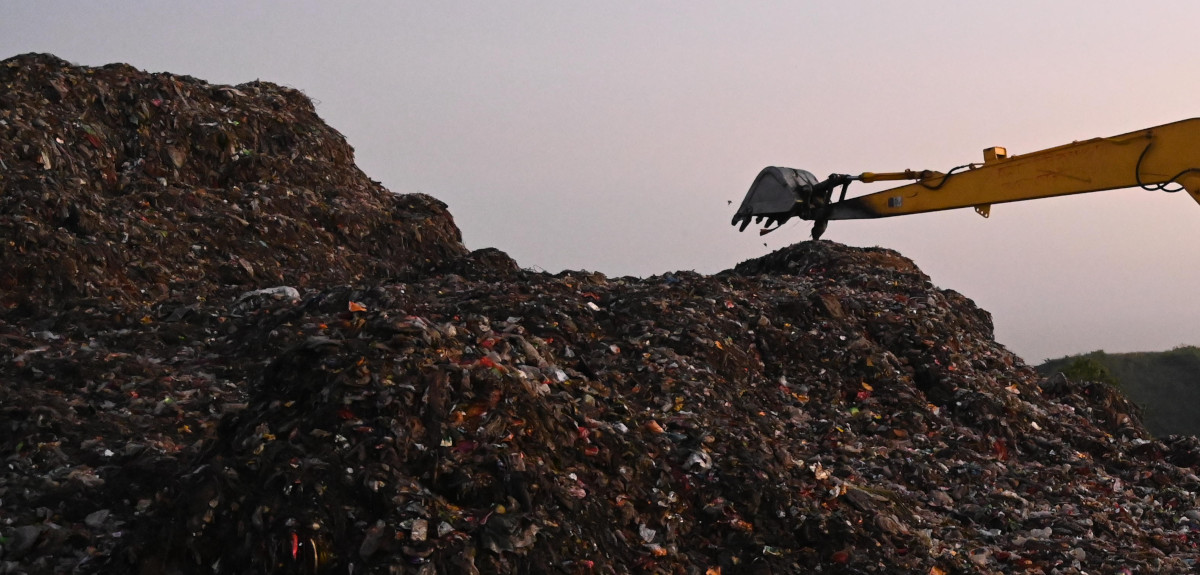
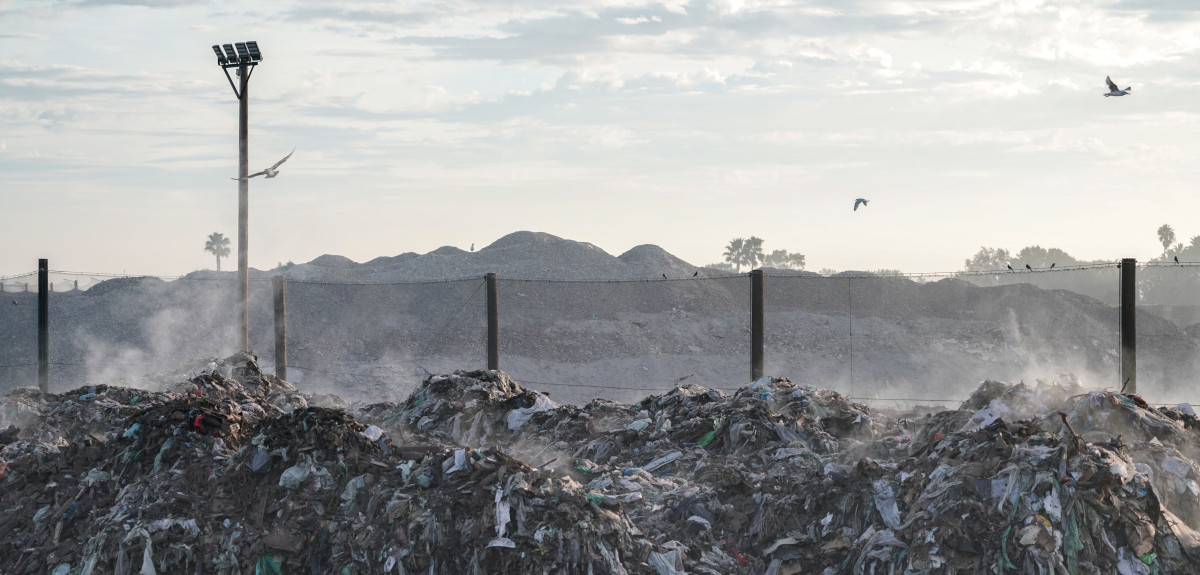
Another concern at landfills are gaseous emissions to the environment. Biogas formation within landfills poses a risk of potential emissions from the landfill of flammable methane mixed with other substances, many of which are harmful or toxic. The uncontrolled production and release of gas is one of the most pressing environmental concerns [1] in landfills. The risks are unknown if no measurements are done. When sufficient detail is gained about amounts and locations of biogas generation in the landfill using 3D scans, controlled release and use in energy production can be planned.
A further environmental benefit is gained when biogas, a renewable form of energy, is used to substitute fossil fuels and reduce harmful emissions. Landfills are, in fact, globally the third largest [2] source of methane – a potent greenhouse gas with a global warming potential 84 times greater than that of carbon dioxide. However, the benefits are wider than only mitigating climate change. Burning landfill gas also destroys potentially harmful organic compounds, including methane and non-methane organic compounds (NMOC). When combusted, these organic compounds react with oxygen in the presence of heat and form harmless water vapor, carbon dioxide and other less volatile compounds. In the process, the immediate surroundings are also made more pleasant by reducing odours.
The 3D scans were conducted in the landfill of Melitopol in 2021, a city of 150 000 inhabitants, and the approach can be expanded for use around the world. When managing environmental protection at landfills, 3D scans enable seeing hidden risks and, therefore, acting to prevent costly and potentially disastrous consequences in time.
[1]: The Hidden Damage of Landfills
[2]: Landfill Methane: Reducing Emissions, Advancing Recovery and Use Opportunities